fArsta
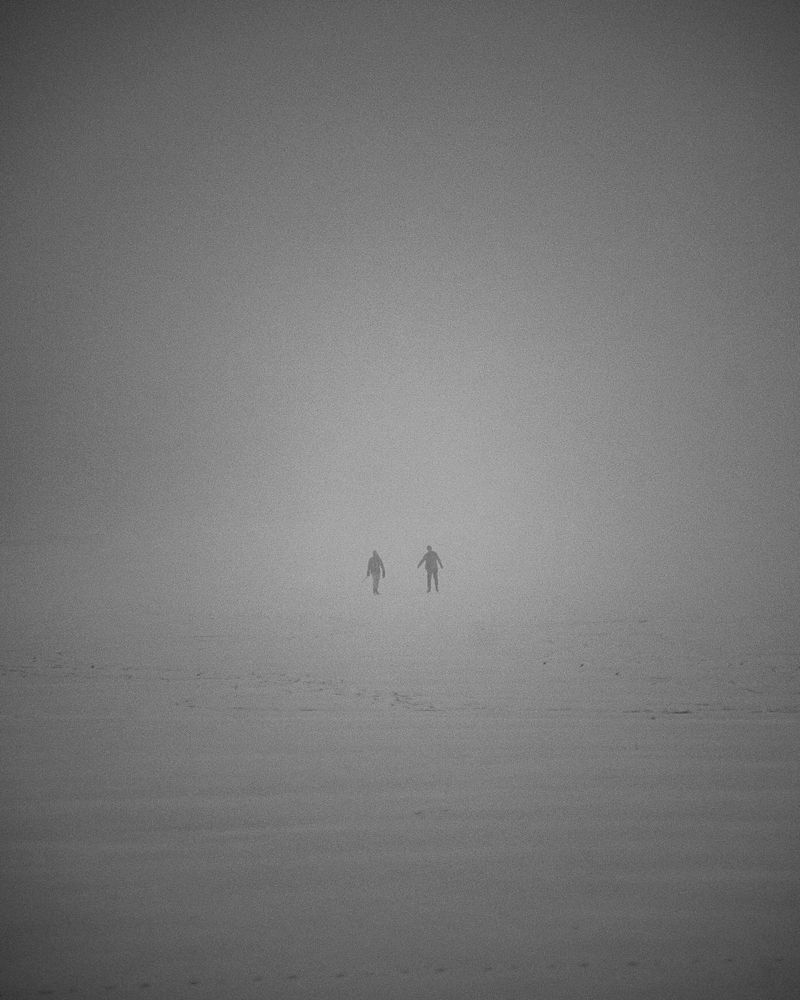
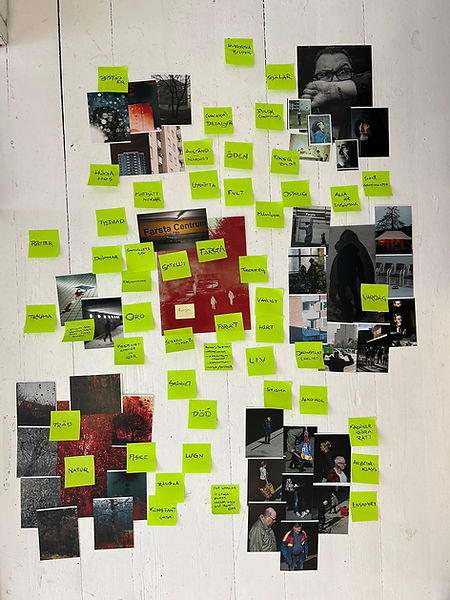
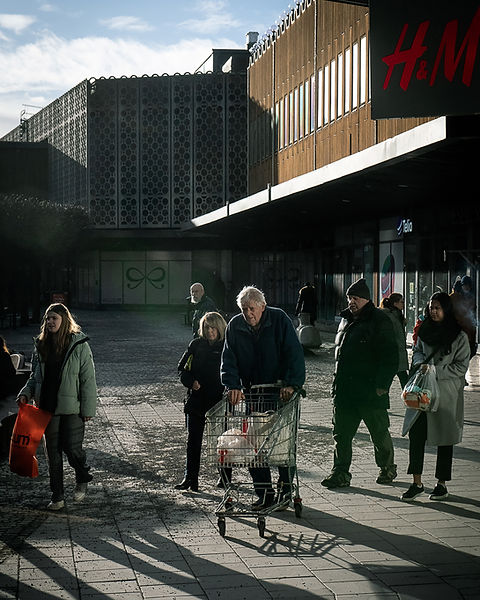
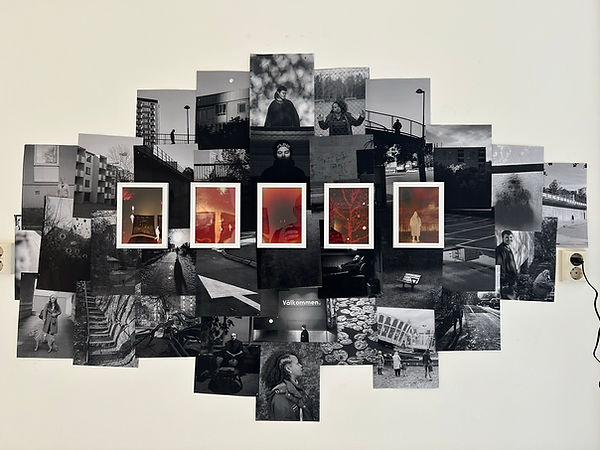
fArsta is a long-term photographic project examining how stigma, fear, and mediated narratives shape our understanding of place and belonging. The work originates from my own relocation to Farsta after more than twenty years in adjacent areas. Despite its proximity, my perception of the area had largely been formed through recurring media representations centred on violence, crime, and social unrest. While these accounts are not inaccurate, they represent only a partial view.Upon moving, I found that these preconceptions influenced my sense of safety. As part of my artistic methodology, I began deliberately moving through the area during evenings and nights, particularly in locations that initially felt unsafe. Over time it became clear that much of the perceived threat resided in internalised images rather than in the site itself. The project thus developed as a process of renegotiating the relationship between place, body, and gaze.Research into existing photographic depictions of Farsta revealed a limited and repetitive visual history, often focused on marginality or anonymous architecture. Farsta responds by foregrounding everyday presence and relational encounters rather than deviation.Portraiture forms the core of the work. Each image is preceded by conversation, establishing a reciprocal situation rather than documentary distance. The portraits are deliberately stripped of dramatic lighting or staging to avoid reinforcing stereotypical readings. Participants come from varied social backgrounds, yet no biographical details are presented; the intention is for each portrait to function as a direct encounter with an individual rather than a representative of a category.Alongside the portraits, I photograph the area through images of daily life, architecture, and transient situations. These photographs treat Farsta under the same visual conditions as any small town, shifting focus from exceptional events to continuity.The process also includes a conceptual engagement with language through a mind map created from my own associations and words gathered from residents. This material informs both the spatial installation and the structure of the accompanying book.Farsta does not seek to replace one narrative with another, but to insist on complexity and presence. Through photography and text, the project explores how sustained attention to the everyday can challenge simplified representations of place.






_JPEG.jpeg)